Why you were obsessed with Quick Sand & Piranhas as a child
The humanities and geographies has always been an interesting topic for me. I remember so clearly learning about all the different biomes. For some reason the Tundra, as shown in planet earth, has always had a specific place in my heart. I cant say for sure why, but I can say I recall it fondly.
Yet, I think everyone may relate to a sudden fixation with tundras, biomes, piranhas or quick sand. Now obviously not everyone’s experience was the same, people went to school different places, in different countries and likely experienced different contexts of bias. But as the “why are kids so afraid of quicksand” has become a bit more of an internet phenomenon, I thought I want to explore it myself.
The dormant factors
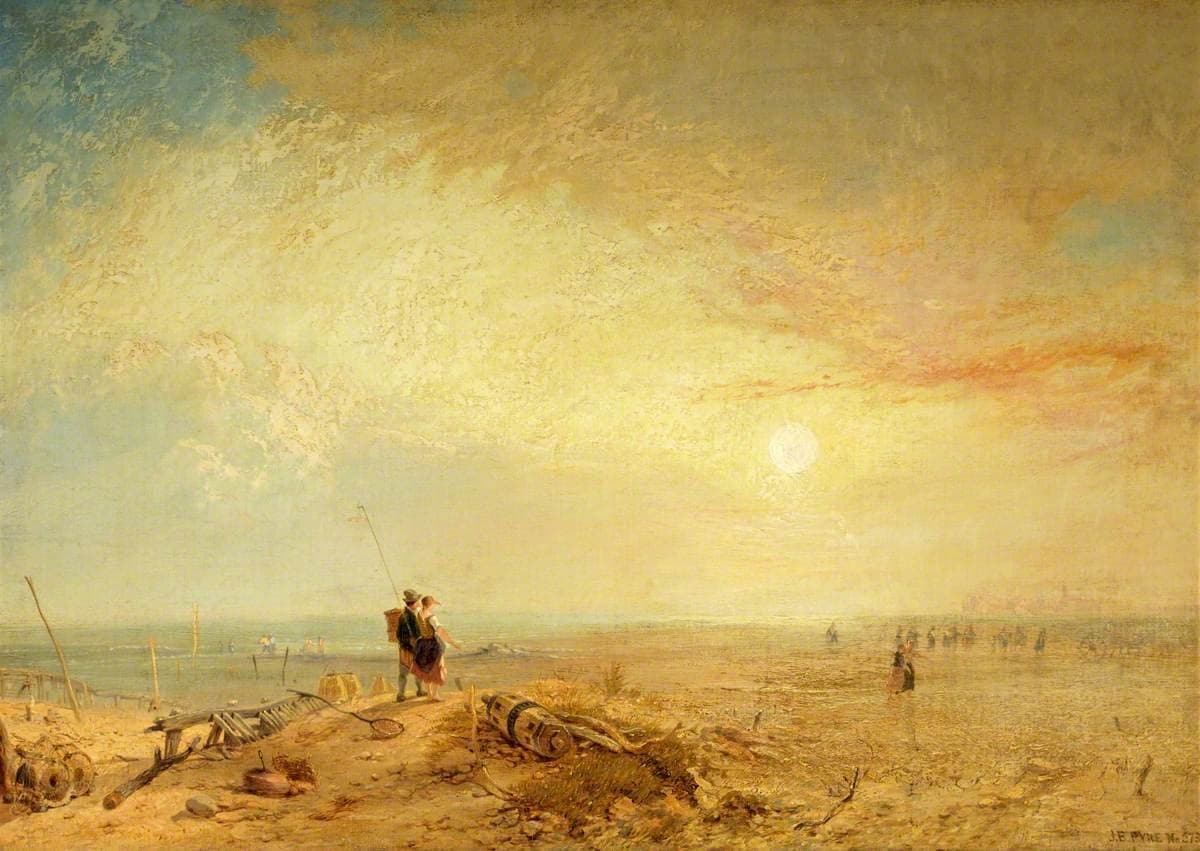
Prior to 1870, there wasn’t much discussion of piranhas and quicksand. While both were real, and known about to varying degrees of understanding, there wasn’t much folklore following these. I mean, if we consider England the current ruler of the imperial mindset during this time (soon partaking in the transition from a victorian common English culture to an imperial common English culture), there were actual quicksand threats within the british isles themselves such as Morecambe Bay.
Colonialists had already ventured far around the world and discovered piranhas, big game animals and tonnes of different new and wild things from across the world. We can therefore state that if the novelty or the actual danger behind these two things was the genuine driver of the mythos / folklore in common culture, they would already be famous. However, as I hope you can trust me, there aren’t many references to these aspects in story telling.
The Rise of Literacy
They say ignorance is bliss. But that is not the reality discovered by the rise of literacy and the optimisation of the printing press. We must remember that for hundreds of years, books were infact printed by hand. And the prevalence of religious books in this time of the world is actually due to the fact that religious monks were spending their time in their monasteries printing books, specifically the bible. Although they were also making whiskey, cheese and other long term products, we will focus on their role as a print press.
The rise of the printing press and the rise of literacy rates amongst the common folk following the 1870 education act lead to literacy rates to surge to 97% while hundreds of penny-fiction publishers rose up. The prior primarily oral folklore was suddenly being migrated into cheap serial print. Imagine the anecdotal horror stories of your grandparents suddenly becoming wildly available in books and papers for all to read. I mean I know some of you are in some crazy WhatsApp groups that your aunts and uncles have invited you to with some crazy medical stories included too. This was the original fanatical WhatsApp group being formed.
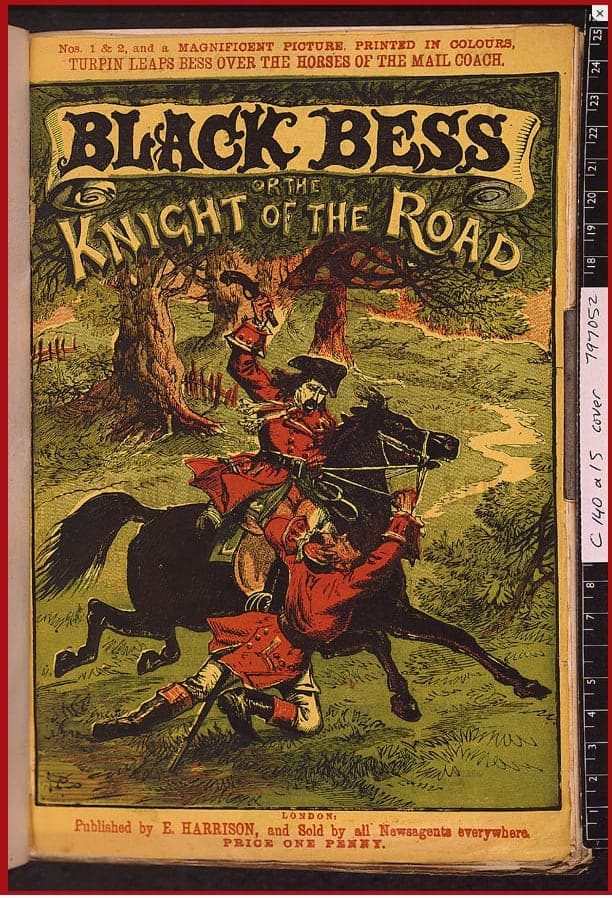
But as it migrates, there is a commercial race to extremity. As the economics behind these penny printing presses was a unit competition, there was a direct economic incentive to make the stories wilder and crazier. Infact, a thing you may have seen in old movies but not quite fully understood are those boys who stand on the street in Victorian England and shouted “extra, extra, read all about it” were not always selling news papers. They were often selling these penny dreadfuls.
Just like today, how people are pulled in by click bait and a negative cycle news cycle, as were the people back then. Click bait (or read bait) stories of crimes and adventure caused a moral panic. Infact, another parallel to today, these dreadfuls were blamed for a juvenile crime crisis that was occurring during the time. There was mass hysteria for what the implications of this new reading culture actually was. (And boy they have no idea.)
I mean this is quite literally the argument used today about how video games cause crime. It’s been kind of surreal to investigate this and recognize how similar the conversation really was.
From Crime to Empire
The parallels of modern day life continue. These original dreadful pennies were typical about crime. Criminals and acts of crime that had occurred in victorian London. Was a real eye grabbing topic and sadly inspiration for many of those juveniles. But as the market began to mature, so did the offering. And just like how we can blame the Daily Mail for Brexit, we can infact also blame the Daily Mail for this.
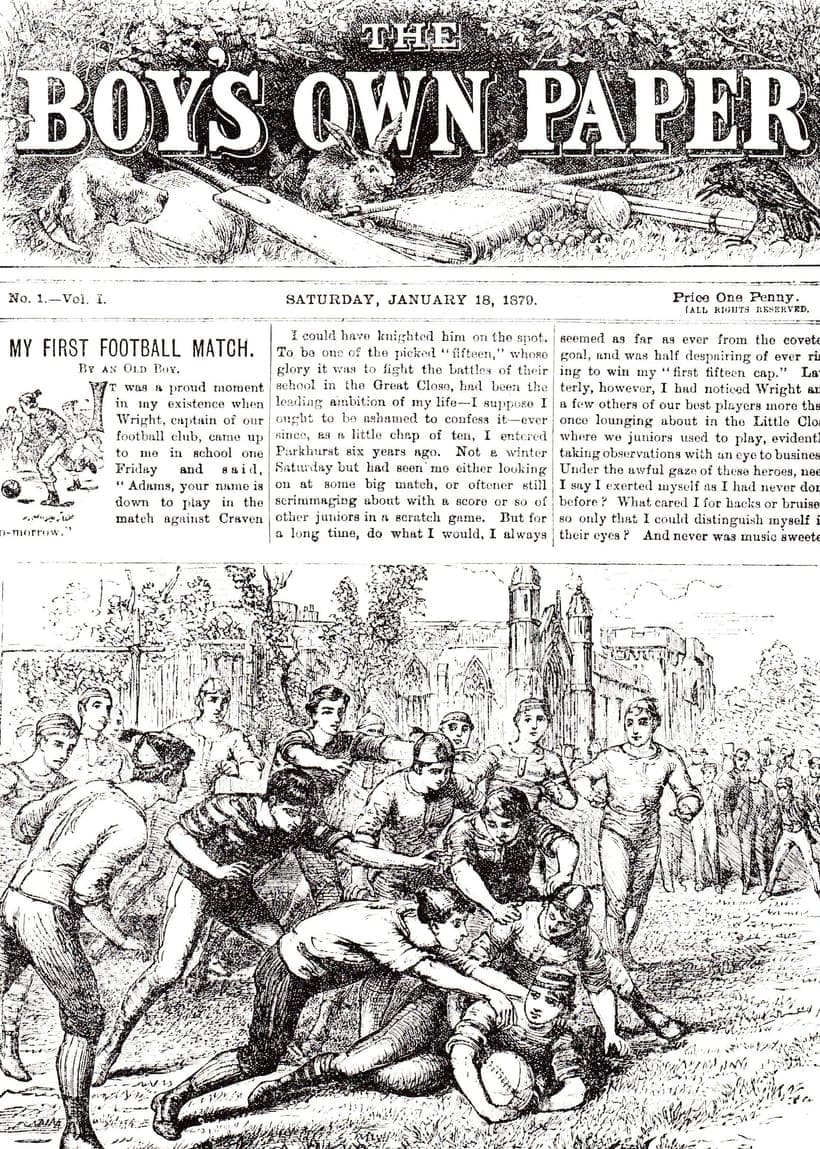
Harold Harmsworth (what a fucking name, you cause harm with your journalism and you got harm in your name, c’mon writers, lets not make it so fucking obvious) started the daily mail in 1896. Including a very popular section and publication called the Imperial Adventures Weeklies (And others such as Boy’s Own Paper). Where adventures and tales from colonialists and adventurers were brought front and center. If we do blame the dreadful pennies for the perpetuation of “crime is cool yo” then we may infact blame the Imperial Adventures weekly for perpetuating “imperialism is cool yo”. Judge a century by their standards and all.
And some things never change. While this period of time represents the transition from a victorian mindset to an imperialistic one, it still follows the age old truth that sensation sells. It needed to be the most extreme and fantastical adventures being written about for people to spend their hard earned money on some reading materials.
The form needs monsters
The Empire and the Animal Body is a paper from 2015 which describes how the printing presses stared to come out with the “lurid depiction of the killing of exotic mega-fauna”. The problem is that stories beckon demand. And the actual scale of this carnage was insane, we are talking 80,000 tigers killed between 1875 and 1925. Directly upon this transition of mindset. Miller discusses how the adventure fiction with imperial romance promises economic opportunity and escape from the English domestic shackles. The protagonists of these stories not only perpetuate this fiction of adventure against animals, but also killing natives who fight back or are in their way. All while gaining sympathy for their protagonist by allowing them a moment to admire a butterfly.
We must remember that during this time, there is mega fauna in Europe. Yet, while even more wild and dangerous than some of these beasts described, the Bear is not fund described in these tails. There is no imperialistic romantic adventure of Bjorn going into a forest to kill a bear. A perpetuation of an imperial mindset is at the very core of these stories and desensitizes individuals of the tales of violence and animalisation of humans across the 7 seas.
As Andrew Lang said in 1891, “people have become alive to the strangeness and fascination of the world beyond the bounds of Europe and the United States.”
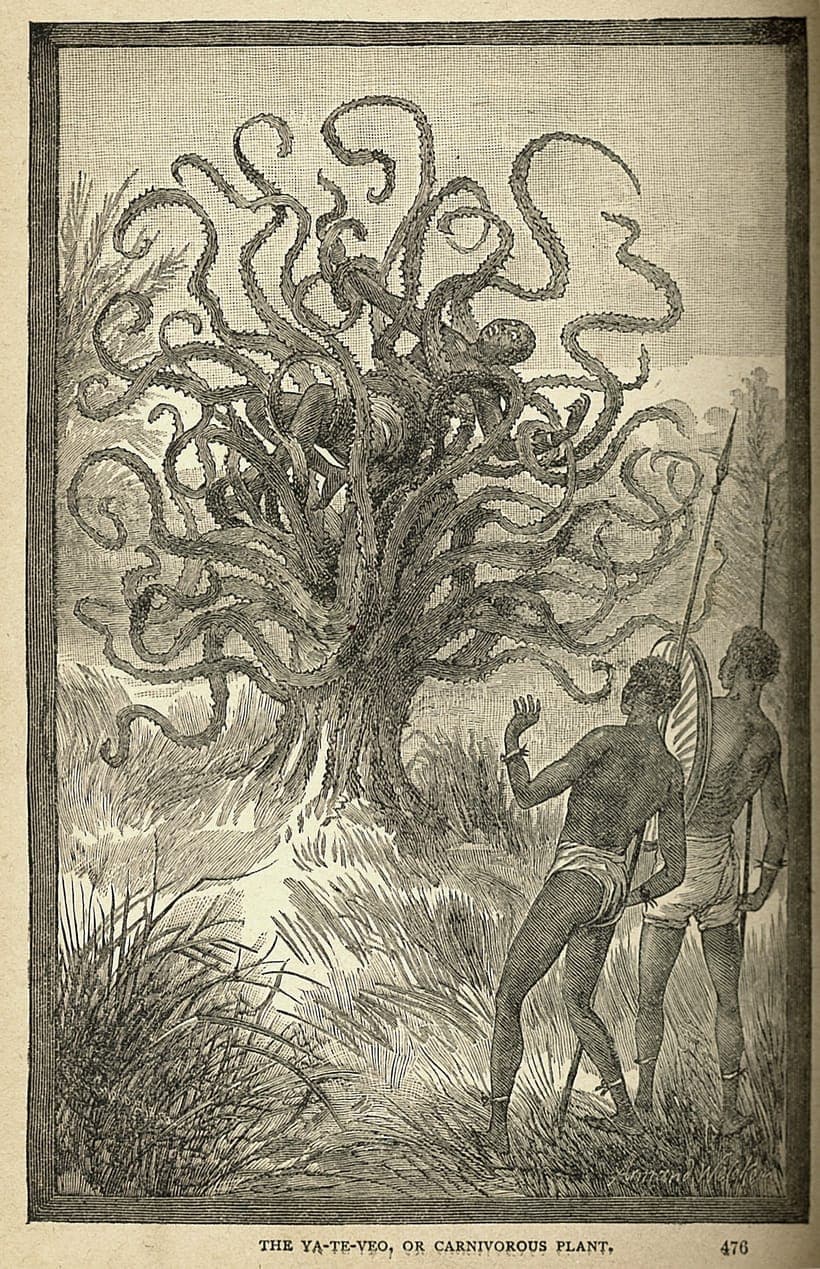
To the point that there was even our next parallel. One of the finest cases of “fake news” being perpetuated as fact through the Man-Eating tree of Madagascar. An invented explorer made for a story became the subject of a newspaper, which ended up being reprinted by others. Is this an example of people making fake news on purpose? Was the perpetuation of this myth from the economic value of printing successful stories? All it did in the end was clearly associate Madagascar with the unknown and the savage. A position that likely cursed the imagination of every teenage boy at the turn of the 20th century when they heard the name of Madagascar.
Piranhas
Now you are probably reading this thinking fucking hell man, I know you can write a lot of garbage but let’s get to the point. And we shall.
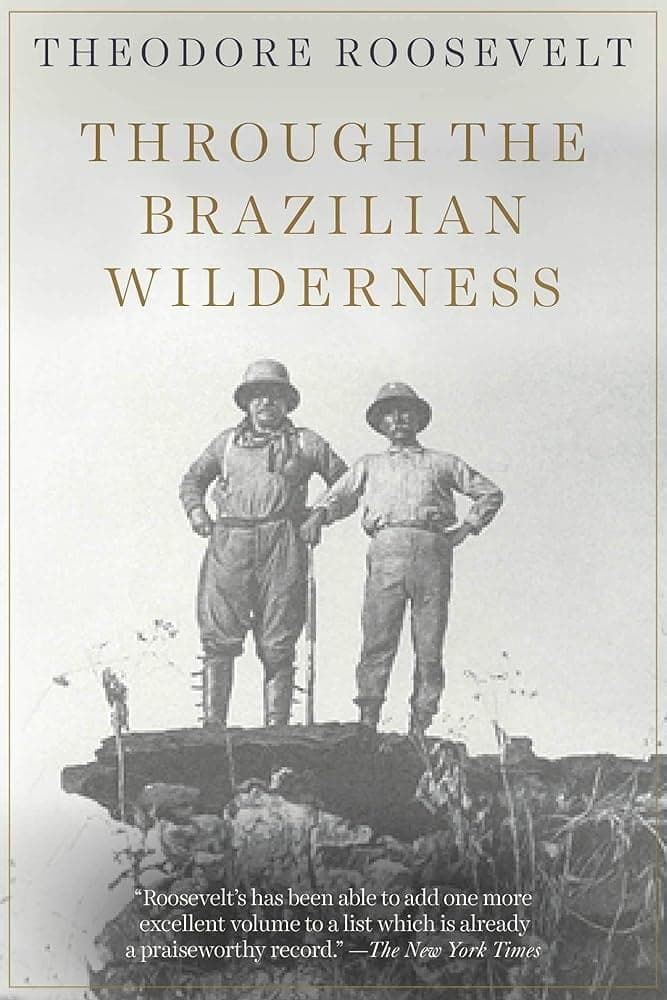
Roosevelt’s (Yes that Roosevelt) Through the Brazilian Wilderness is a masterpiece example of this. From Dreadful pennies, to Imperialist Adventures to now fully fledged books around the adventures of explorers, colonialists and imperialists. The fantasy of adventure had gone mainstream.
An explorers tale becoming a bestselling book perpetuating a myth of the impending dangers of piranhas. Neatly embedding themselves in every man, woman and child who read this book growing up. The generation of our grandparents.
The imperial gaze of operating within another nation and exploring for the sake of yourself. I mean locals knew about the piranhas. Scientists already knew about the piranhas. We aren’t talking about the discovery of the americas here, we are talking about the imperial mindset.
These tales transferred themselves into the common mythos of the English culture. Becoming a staple in Hollywood as the film and entertainment industry continued to grow.
Quicksand
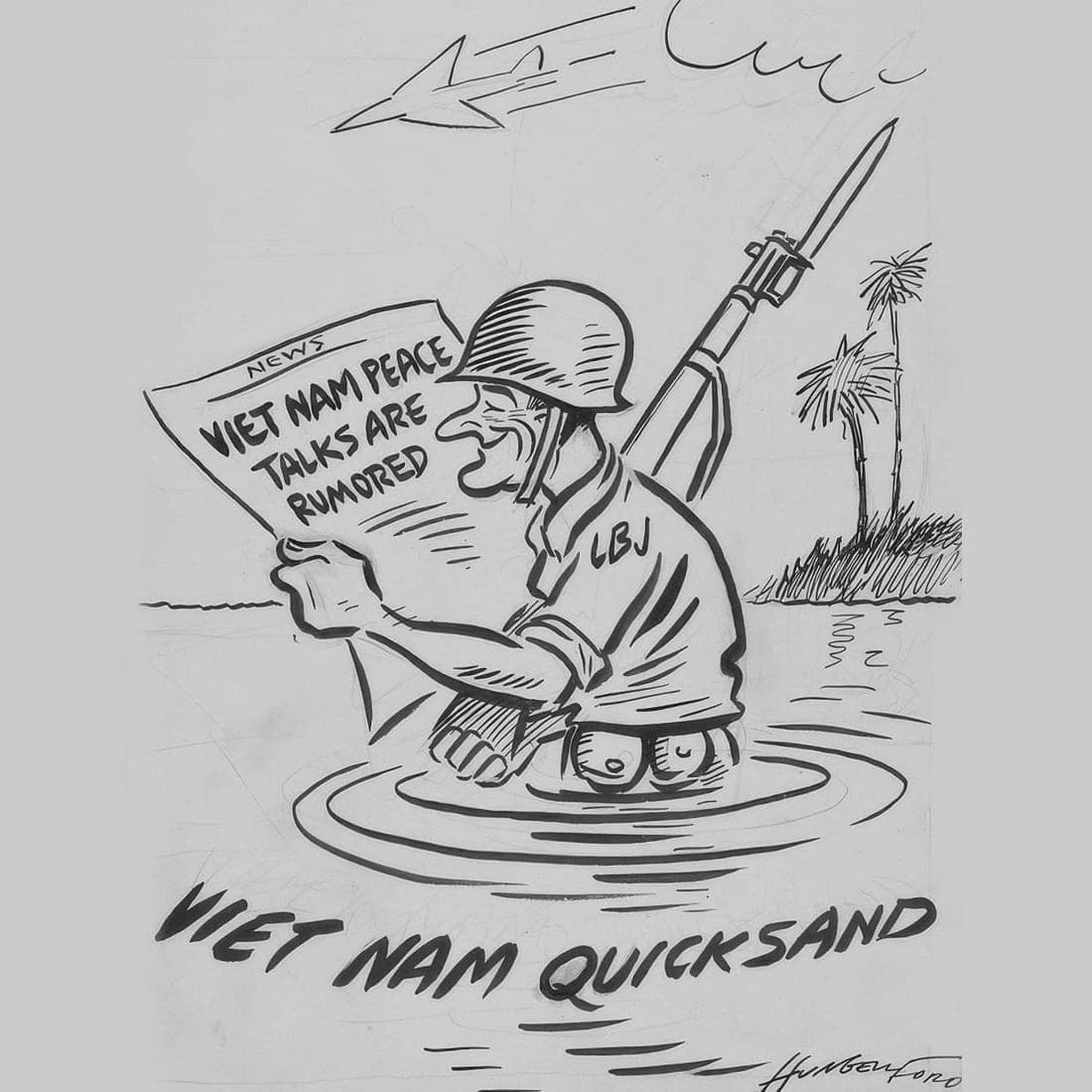
It’s not new information that the Vietnam war was a significant factor in the development of the United States as we know it today. I mean while John McCain was there as a navy pilot and Trump was faking illness to get out of the draft, there have been long term repercussions. But the perpetuation of the quicksand mythos came here. The evolution of the Vietnam war in literary devices was often the transition from a quicksand to a quagmire as the situation got worse. Sticky to begin with, detrimental the longer they stayed.
I mean in the 1960s, 5 years after the start of the war, there was 35 films over that decade which had quick sand as a primary trope of the adventure they showed. While no longer showing the imperialistic adventure as a romance but a horror, the perpetuation of quicksand as a mythos in common literary culture was driven by imperialism.
The Decline
Kids aren’t afraid of piranhas and quicksand the same way we were. While it survives in articles such as mine and in the nostalgic joking of “kids aint afraid of quicksand no more”, the imperial adventure had become cheap. The same reason we don’t see as many cowboy movies. Or adventure movies in general, the thrill had disappeared. Does this mean the imperialist mindset is no longer being perpetuated by entertainment and written stories?
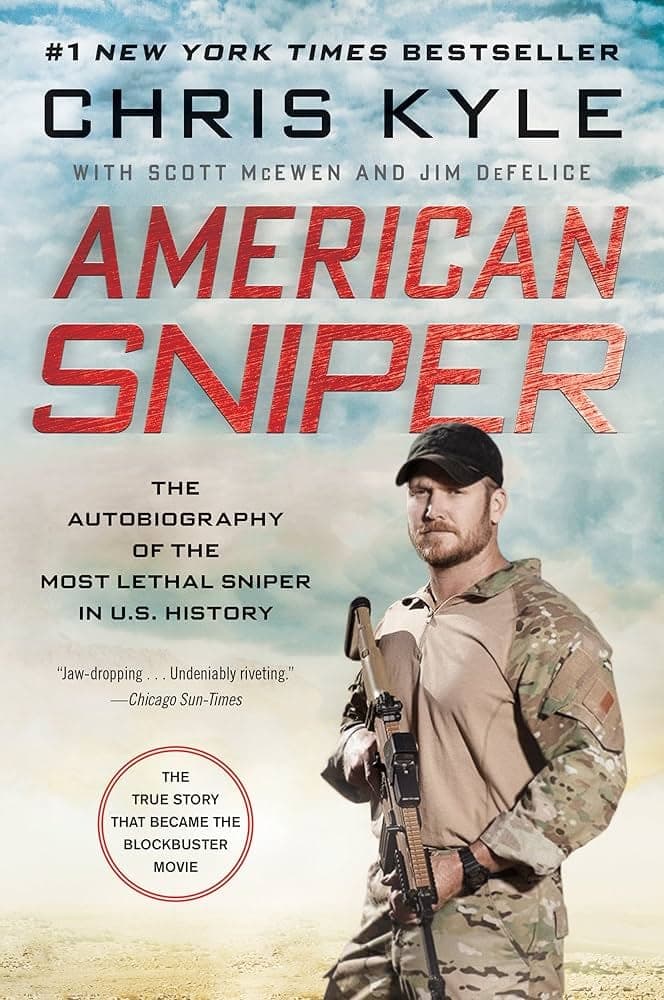
LOOOOOOOL fuckign watch “American Sniper” (2014) where they want us to sympathise with a sniper gets PTSD from shooting a literal child while in a war that wasn’t necessary (WHERE ARE THE WMD’S BUSH?)
With all the parallels we can see above, the video games cause violence argument, the daily mail selling sensation that impacts culture, perpetuation of fake news to sell a story, I think we can assuredly say that it is still alive and well. Your kid may not be scared of quicksand and piranhas, but they sure are scared of unsecured private email servers & the Taliban.
To Conclude
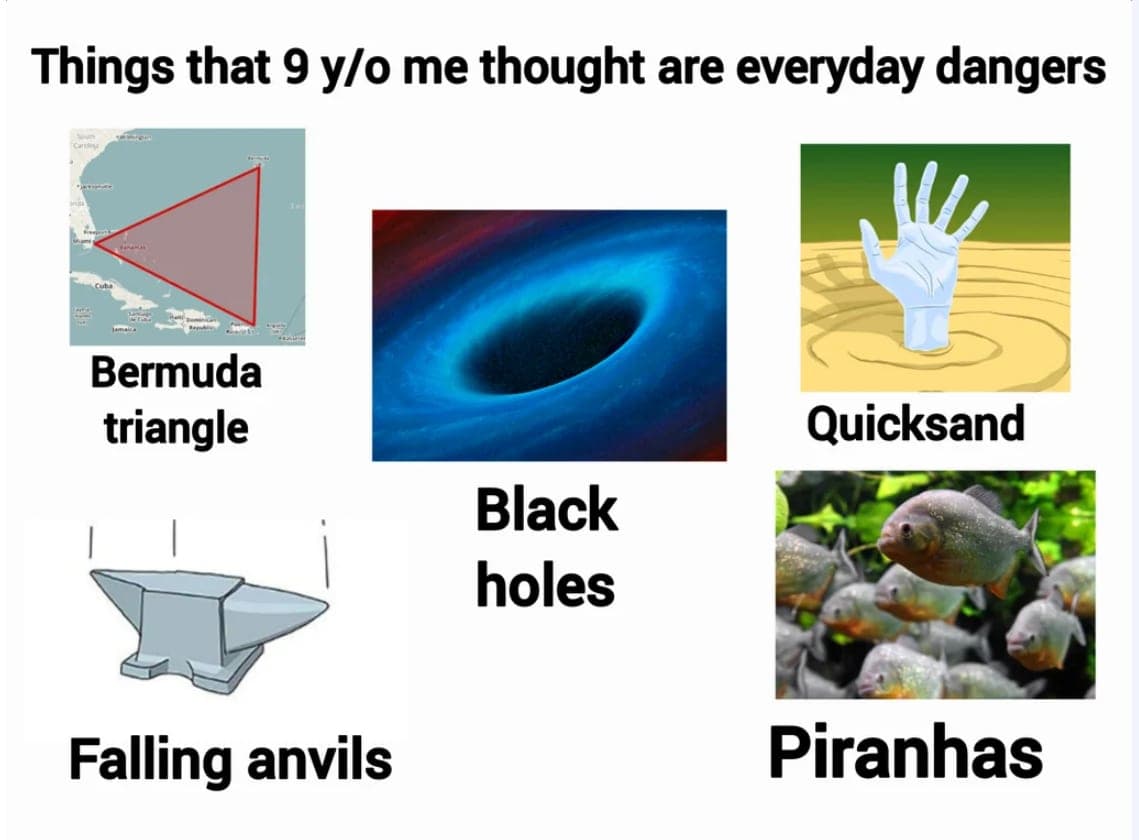
Before I conclude, I’d like to give a quick shoutout to my boy “The Bermuda Triangle”. To be honest, its a perfect extra example for this likely perpetuated even sooner on the basis of colonialism and imperialism combined with the fact that you had to explain to your kids why their sailor father never came home. And it was better to share something everyone knew. But I only really remembered it when I was adding the photos to the article.
The tropes of an empire outlive the empire. The british empire may have fallen but the tales of imperialism remain constant. And with a new empire taking the helm and doing their darnest to drop it, it will be interesting to follow what enters the cultural mythos as we enter this post-imperialistic (optimistic, stay with me here) world.
We may not know whether we are experiencing the fall of an empire. But one thing will always remain true. The Industrial entertainment machine of literacy, cheap access to content, sensation competition and romantic adventure will continue. We must just be diligent in identifying the impact it has on us all.